Reading Your Skin's Signals Before Scar Camouflage in Scottsdale
Scar camouflage sounds simple at first. Add color to a scar so it blends better with the skin around it. But what we do is not traditional tattooing and not cosmetic microneedling. Scar camouflage is a paramedical technique that places tiny amounts of pigment into healed scar tissue to soften the contrast between the scar and your regular skin.
Before any of that happens, your skin has to be ready. The tissue has to be stable, calm, and strong enough to handle treatment. If we ignore those signals, you can end up with patchy color, more irritation, or results that do not last. At our studio, we build plans through consultation first, so we can read what your skin is telling us instead of rushing into quick cover-ups.
In Scottsdale, we also have to think about our long days of sun, time by the pool, and dry air. All of that changes how your skin heals and how color looks. Timing, seasons, and your daily habits all play into when scar camouflage in Scottsdale, AZ makes the most sense for you.
How to Know If Your Skin Is Ready for Scar Camouflage
Scar camouflage may feel like a cosmetic fix, but we treat it as a tissue project. Traditional tattooing focuses on art in healthy skin. Cosmetic microneedling focuses on overall skin texture. Scar camouflage focuses on changed tissue that may be thinner, tighter, or more reactive than the skin around it.
That is why listening to your skin comes first. Your skin sends signals all the time, like:
- Color shifts, such as redness or darkening
- Texture changes, like new bumps or raised borders
- Comfort changes, like itching, burning, or tightness
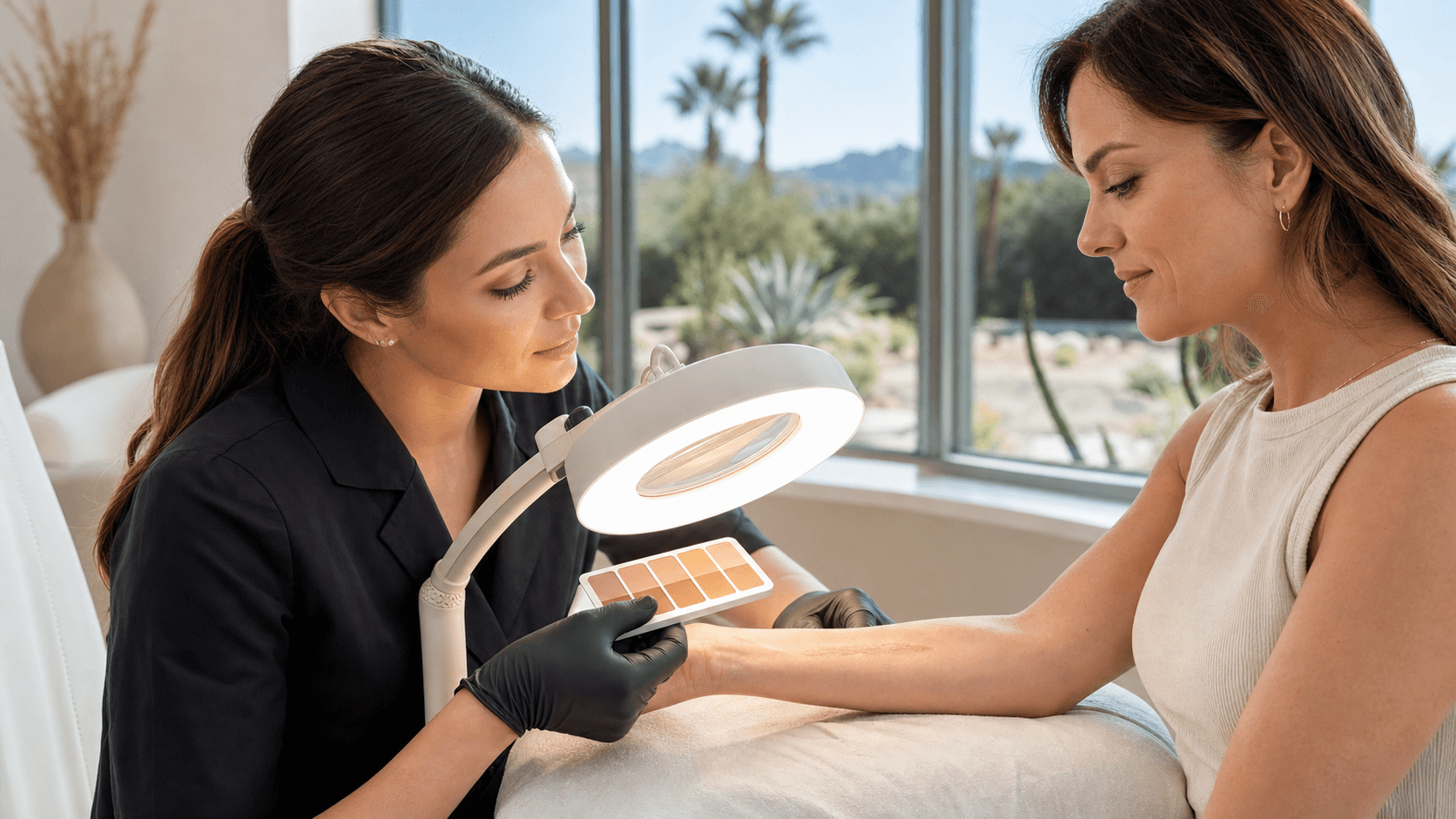
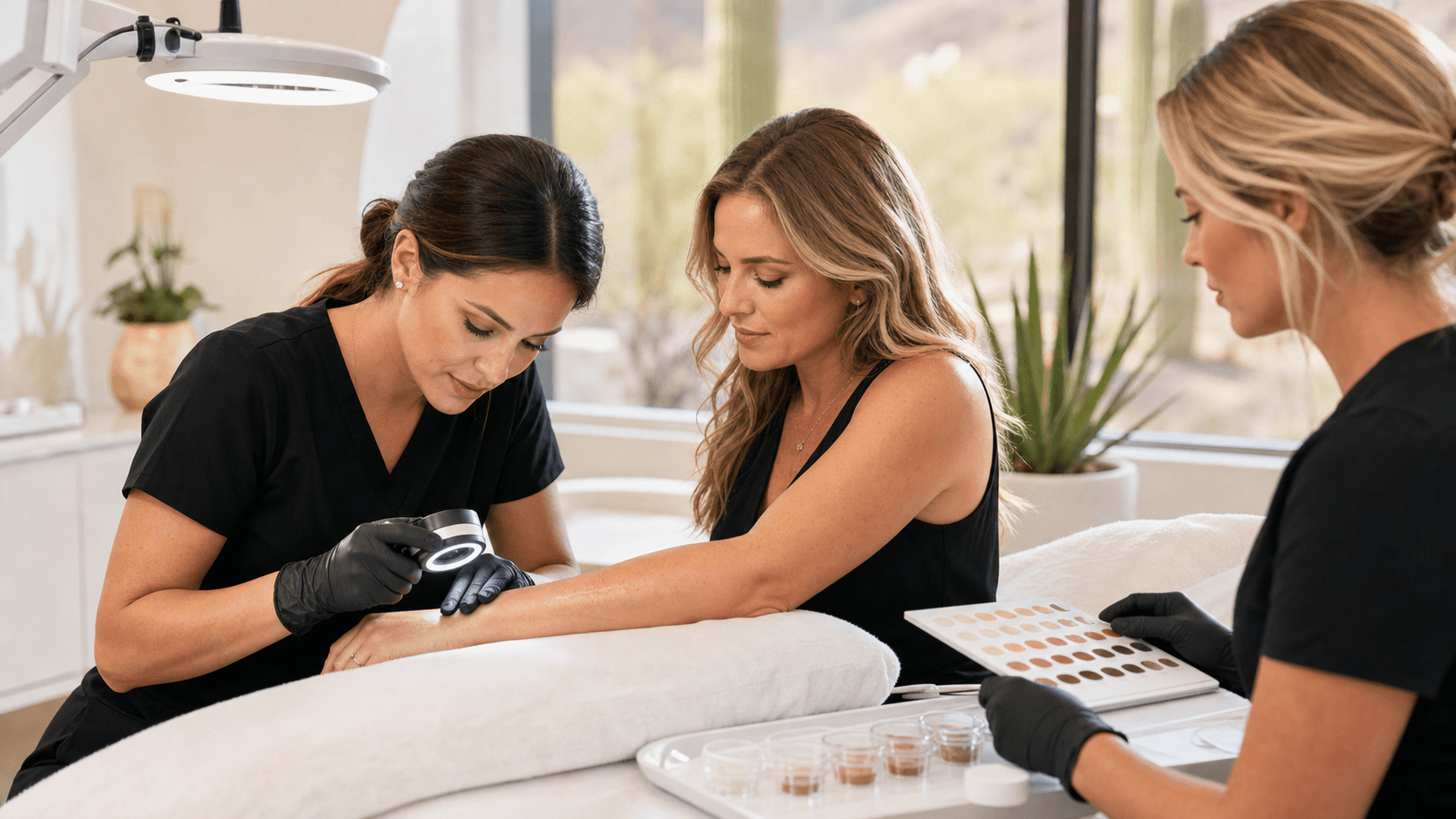
If those signals are active, it is not the right time to implant pigment. At our studio, we start with a thorough consultation, where we look at the scar under good light, feel the texture, and ask about how it has changed over time. We care less about covering it fast and more about whether the tissue is healthy enough to respond safely.
We also think about Scottsdale's strong sun and dry air. If your skin is already stressed from sun exposure, peeling, or frequent tanning, we may suggest building skin health first, then planning treatment around times when your sun exposure is more controlled.
What Your Scar Is Telling You About Timing
Most scars go through a long life cycle. They usually change for many months, shifting in color, height, and feel before they calm down. We want to work on the calmer end of that cycle, not while the scar is still in "construction mode."
Signs a scar may be too active for scar camouflage in Scottsdale, AZ include:
- Bright red or hot pink color that keeps changing
- Itching, burning, or stinging that comes and goes
- Raised or growing edges that seem thicker over time
- Noticeable changes month to month in shape or height
When we see these signs, the skin is still working hard under the surface. Placing pigment into that kind of tissue can lead to unpredictable color and more irritation.
On the other hand, a scar that might be closer to ready often shows:
- Color that has stayed fairly stable for several months
- No regular flare-ups, itching, or soreness
- Texture that feels consistent when you run your fingers across it
Different scars speak in different ways. For example:
- Surgical scars often start firm and raised, then slowly flatten and fade
- Injury scars can have uneven borders or mixed texture zones
- C-section scars may feel thick in some areas and thin in others
- Self-harm scars can be narrow, stacked, or in rows, each with its own behavior
- Stretch marks are a form of scar, usually softer and more shallow, but tone and texture still shift over time
During consultation, we look at each type as its own project, not with a one-size-fits-all mindset.
Skin Health Factors That Can Delay or Support Treatment
Scar camouflage is not just about the scar. The skin around it matters just as much. If the nearby skin is dry, flaky, sunburned, or very sensitive, it will not support calm healing or even color.
Things we pay close attention to include:
- Hydration and barrier function, Is the skin smooth and supple or tight and cracked?
- Natural sensitivity, Does your skin get red and angry easily?
- History of raised scars or keloids, Has your skin overreacted in the past?
We also want to know about:
- Current medications, especially anything that affects healing or blood flow
- Recent procedures like lasers, chemical peels, or other microneedling in the area
- Chronic skin or health conditions that may change how you heal
In Scottsdale, tanning and sunburn are big factors. If your skin tone is constantly shifting from very light to very tan then back again, that makes stable color matching tricky. Color is more predictable when your usual skin tone is steady.
During a consultation, we go over your skin history, lifestyle, and recent treatments. Then we can suggest options that match both your goals and what your skin can reasonably manage right now.
Color Matching, Tanning, and Seasonal Planning in Scottsdale
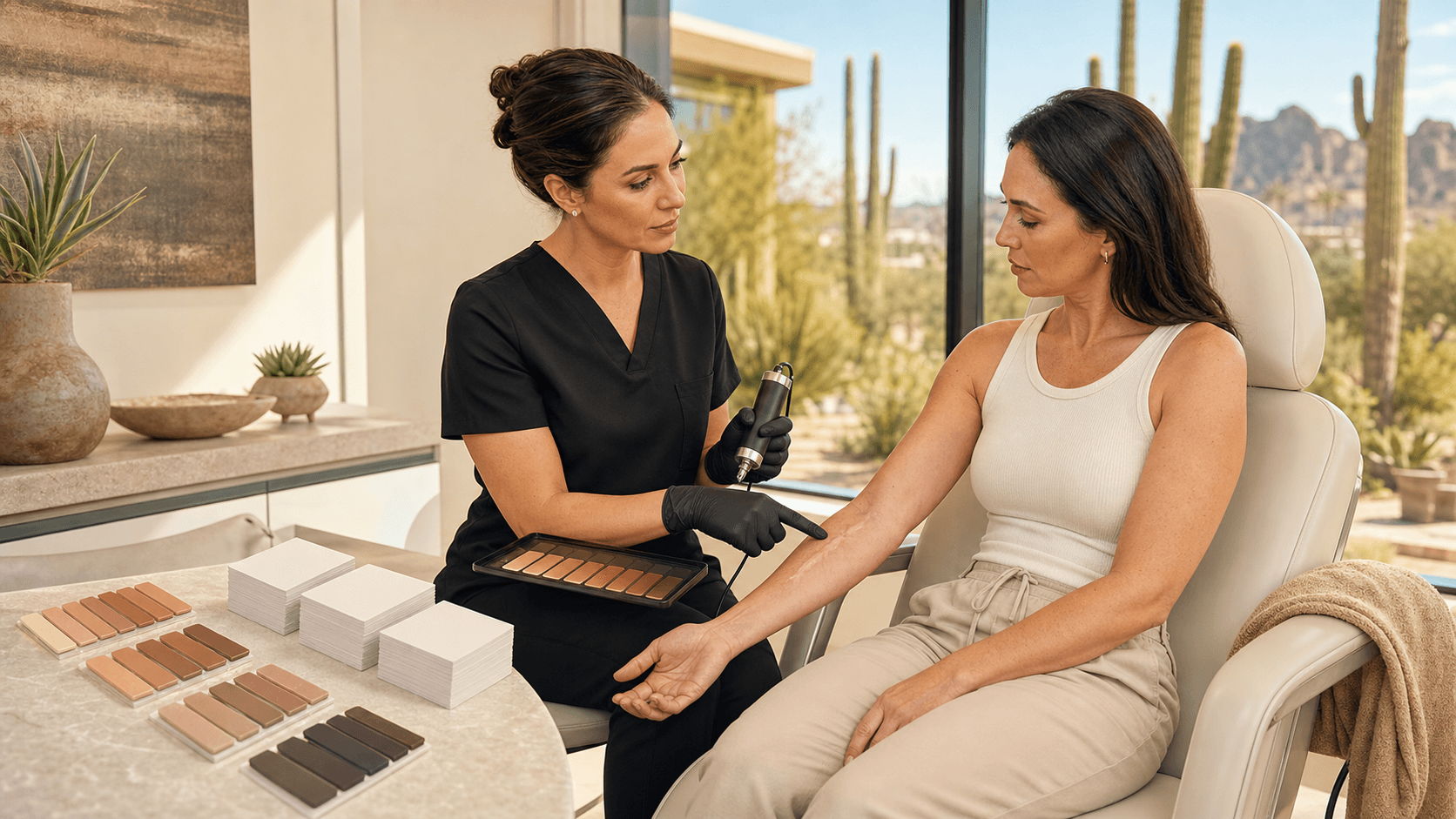
For natural-looking scar camouflage, stable skin tone is key. We match pigment to your usual color, not to a one-time spray tan or a fresh weekend at the pool. If you tan a lot after color matching, the scar area can end up lighter or different in tone, which brings attention back to the area.
Arizona's strong sun and outdoor lifestyle add some planning steps:
- Pool and lake days increase sun exposure and soften skin
- Long runs or hikes in direct sun can lead to uneven tanning
- Social events can tempt last-minute spray tans or tanning beds
To protect your results, we usually suggest:
- Avoiding tanning beds and intentional sunbathing before and between sessions
- Skipping spray tans on or near the area we are treating
- Using sun protection daily in the treated area once the skin is healed
Many people need 2 to 4 sessions, with fine-tuning of color along the way. That gradual path lets us see how your skin holds pigment over time and make small shifts as needed.
What to Expect From Sessions, Healing, and Results
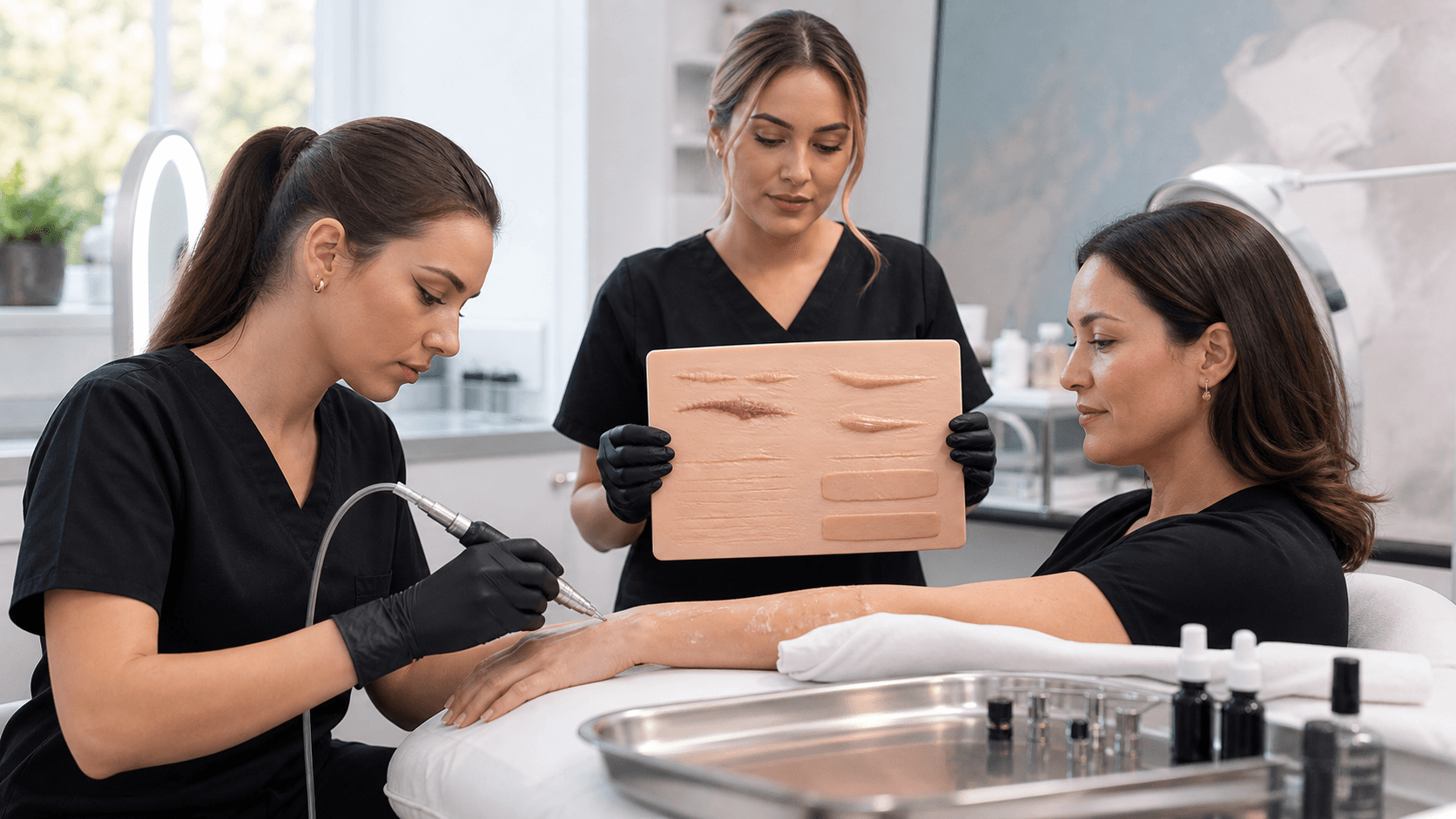
Most scar camouflage plans follow a steady pattern. First comes consultation, then sometimes a small test spot to see how your skin responds. From there, we set up a series of targeted sessions, usually 2 to 4, spaced out to give your skin time to recover and remodel between visits.
After each session, healing usually includes:
- Mild redness in the area
- A short period of surface healing, sometimes with light flaking
- Temporary darkening of the color before it softens and settles
Under the surface, your skin is slowly remodeling. That part takes longer than what you see in the mirror. We stay honest about limits. Scar camouflage does not erase a scar or promise that it will be invisible. Our goal is to soften contrast, shift how the area reads at a normal talking distance, and respect what your skin can safely do.
Subtle, repeated improvements often look more natural than a single heavy session. We build for that kind of change, not for quick, dramatic results that do not age well.
Restore Confidence With Expert Scar Camouflage Solutions
If you are ready to feel more comfortable in your own skin, our artists at TGS Lab are here to help. Explore how our advanced techniques for scar camouflage in Scottsdale, AZ can soften the appearance of scars and blend them with your natural skin tone. We will walk you through a personalized consultation, realistic expectations, and a treatment plan tailored to your goals. Reach out today to schedule your session and take the next step toward renewed confidence.