Making Thoughtful Choices for Post-Weight Loss Scars
Scar camouflage tattoo is a paramedical technique that uses skin tone pigments to soften how a scar looks, not to decorate the body like traditional tattooing. The goal is to help the scar blend more smoothly into the surrounding skin so it is less noticeable in day-to-day life. At our studio, we treat this as corrective work based on skin science, not cosmetic art alone.
If you have gone through major weight loss, you may also have tummy tuck scars, arm lift scars, breast lift scars, thigh lift scars, or long areas of stretch marks. In these cases, timing and planning matter a lot more than with a small scar on a stable area of the body. Your skin is still adjusting to weight changes, possible future surgeries, and life in the Scottsdale sun.
For post-weight loss bodies, we look at four key readiness factors before committing to scar camouflage tattoo in Scottsdale:
- How mature and stable your scars are
- How loose or textured your skin is
- How steady your weight has been
- Whether more body-contouring surgery is planned
Most clients need 2 to 4 sessions to build natural-looking coverage. Color is layered slowly, and we watch how your tissue responds, then adjust at each visit. A thoughtful plan now sets you up for better, more predictable results later.
Is Your Scar Truly Ready for Camouflage Work?
Fresh scars change a lot. After surgery or large weight loss, scars usually need at least a full year to settle, and sometimes longer. During this time, color often shifts from bright red or pink to lighter or darker than your normal skin tone. Texture can go from raised and firm to flatter and softer, and sensitivity often calms down.
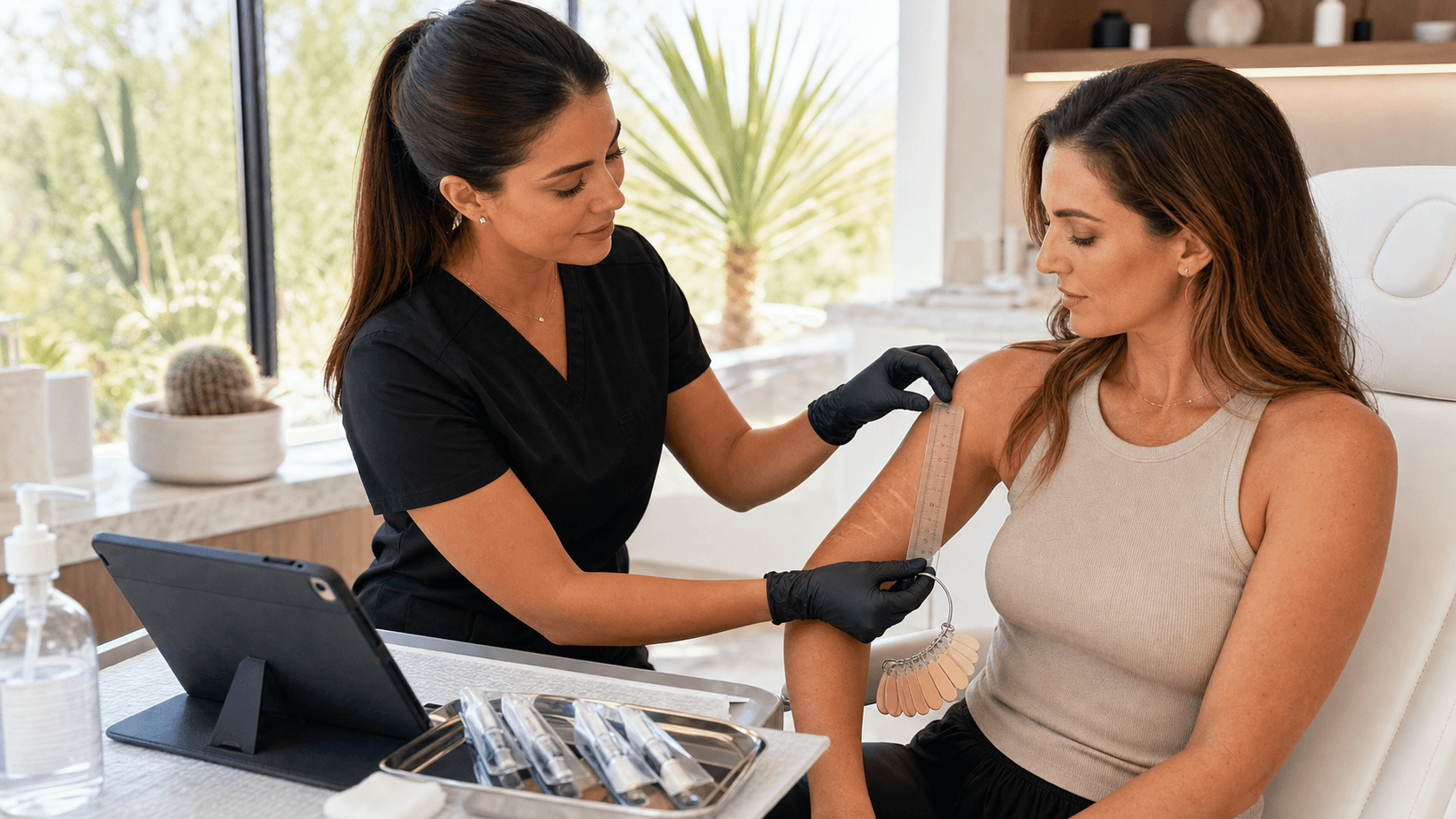
When we assess scar maturity, we look for:
- Color that has stayed mostly the same for several months
- No bright, angry redness or heat in the area
- Edges that are not widening, pulling apart, or very raised
- No planned surgical revisions that will reshape the scar
Working too early can be frustrating. If the scar is still changing, the pigment we place can move with that change or look uneven as the tissue remodels. You may end up needing corrective work or more sessions later than you would if we waited for a more stable base.
For common post-weight loss scars like tummy tuck, arm lift, breast lift, and thigh lift lines, it can still be helpful to come in for a consultation before the scar is fully mature. In that visit, we can:
- Review your surgery dates and healing so far
- Explain what signs of maturity to watch for
- Talk about any early revision options that might help texture first
- Map out a likely timeline for starting true camouflage work
That way, you know what to expect and are not guessing on your own.
Evaluating Skin Laxity and Texture After Weight Loss
Significant weight loss often leaves skin looser than before. There may be folds, creases, remaining stretch marks, and thin areas that feel fragile. All of this affects how a scar camouflage tattoo will sit and how light reflects on the surface.
In some spots, it makes sense to let body-contouring or lift surgery address loose skin first, especially if:
- Skin folds overlap and hide parts of the scar
- The scar line moves a lot when you stand, sit, or twist
- You already plan another surgery to remove extra skin
In other cases, camouflage can still help even if skin is not perfectly tight. By easing sharp color contrast and breaking up straight lines, we can distract the eye from stretch marks or long scars, so the whole area looks more blended.
During consultation, we pay close attention to:
- Skin thickness and how well it springs back when moved
- The pattern and density of stretch marks around your scars
- Areas where pigment might heal lighter or darker than usual
- Whether non-pigment scar revision techniques should come first
We want you to know that camouflage can shift how the scar looks, but it cannot physically tighten loose skin or erase texture. You will still feel your scar and any folds, even if they are less obvious to others.
Weight Stability, Healing Seasons, and Scottsdale Lifestyle
For anyone considering scar camouflage tattoo in Scottsdale, steady weight is a big part of long-term success. If your weight is still dropping or going up and down a lot, your skin and scars may keep stretching, shrinking, and shifting. This movement can stretch pigment, change how color looks, or create new lines that are not blended.
We generally look for at least several months of stable weight before starting. That tells us your body is at a more settled point, which makes planning far easier.
Our local lifestyle also matters, especially with sun and pool time. Arizona sun is intense, and fresh pigment is sensitive. When we plan your sessions, we talk through:
- How much time you spend outside or at the pool
- Any tanning, self-tanner, or spray tan habits
- Travel plans, big events, or photo dates
For best color matching, it helps if your skin tone is consistent. Tanning before a session can make us match to a darker version of your skin. When that tan fades, the scar may look different next to your natural color. To protect your results, we typically suggest:
- Avoiding strong sun on the area for a period before and after sessions
- Skipping self-tanner on the treatment site before color selection
- Planning 2 to 4 sessions with several weeks between each, ideally away from your heaviest outdoor season
With thoughtful scheduling, you can still enjoy Scottsdale life while giving your scars a chance to heal well.
Planning Around Future Body-Contouring Surgeries
If you know more surgery is likely, timing becomes even more important. Second-stage tummy tucks, breast revisions, or additional skin removal can change everything about a scar. A surgeon might:
- Shorten or lengthen the scar
- Shift it up, down, or sideways
- Remove sections we already camouflaged
In those cases, it is usually better to delay permanent camouflage until your surgical plan is complete and your scars from the final procedure are mature.
There are times when earlier work may still make sense. For example:
- One area of your body is "done," but another area will be operated on later
- The scar texture bothers you daily, and we focus first on non-pigment revision
- You have small sections unlikely to move with later surgery
Coordination is key. During consultation, we talk through your surgeon's plans, dates, and expected scar placement. This helps us design a sequence that respects both your medical care and your long-term aesthetic goals.
What to Expect From Sessions, Healing, and Results
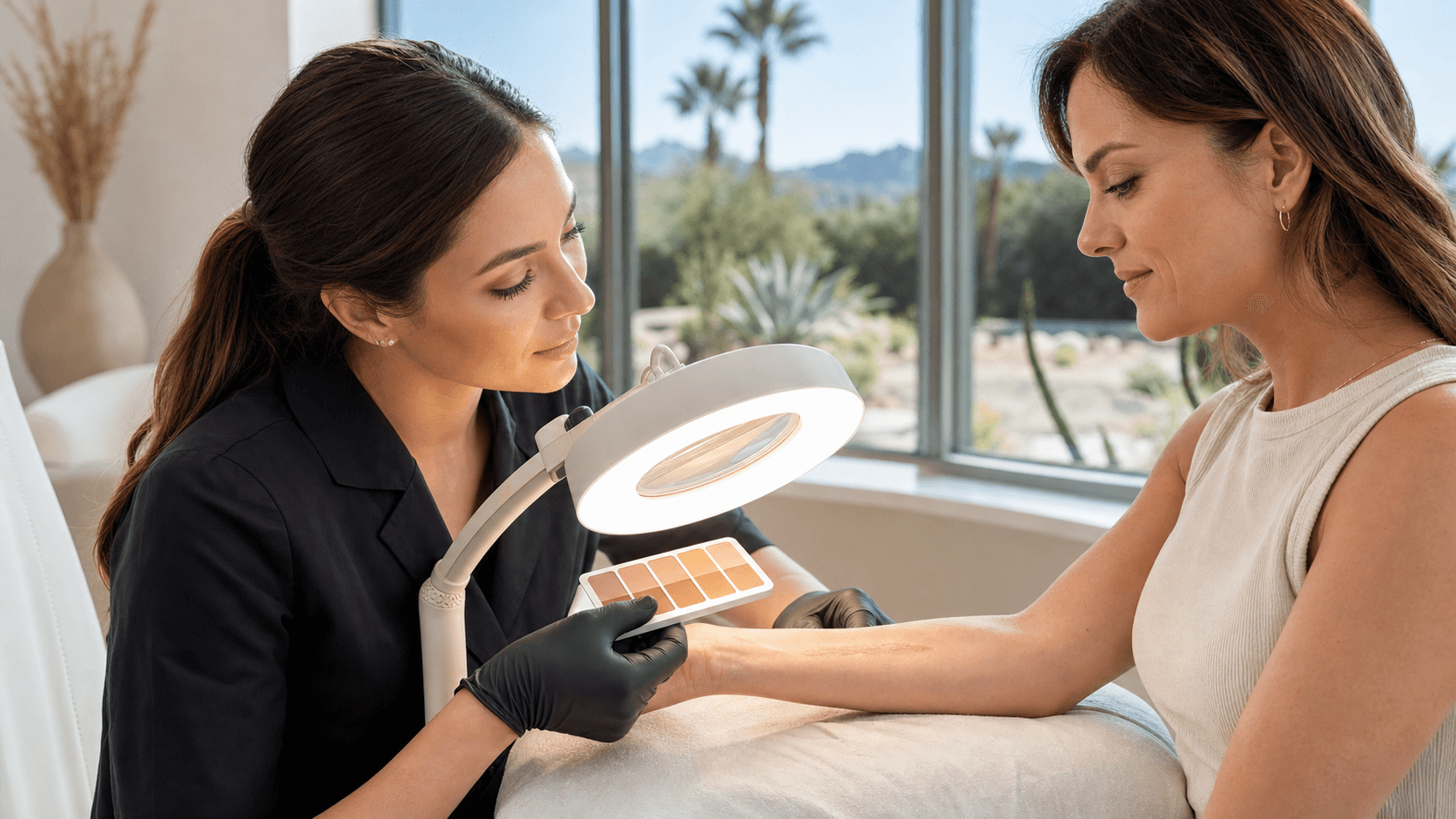
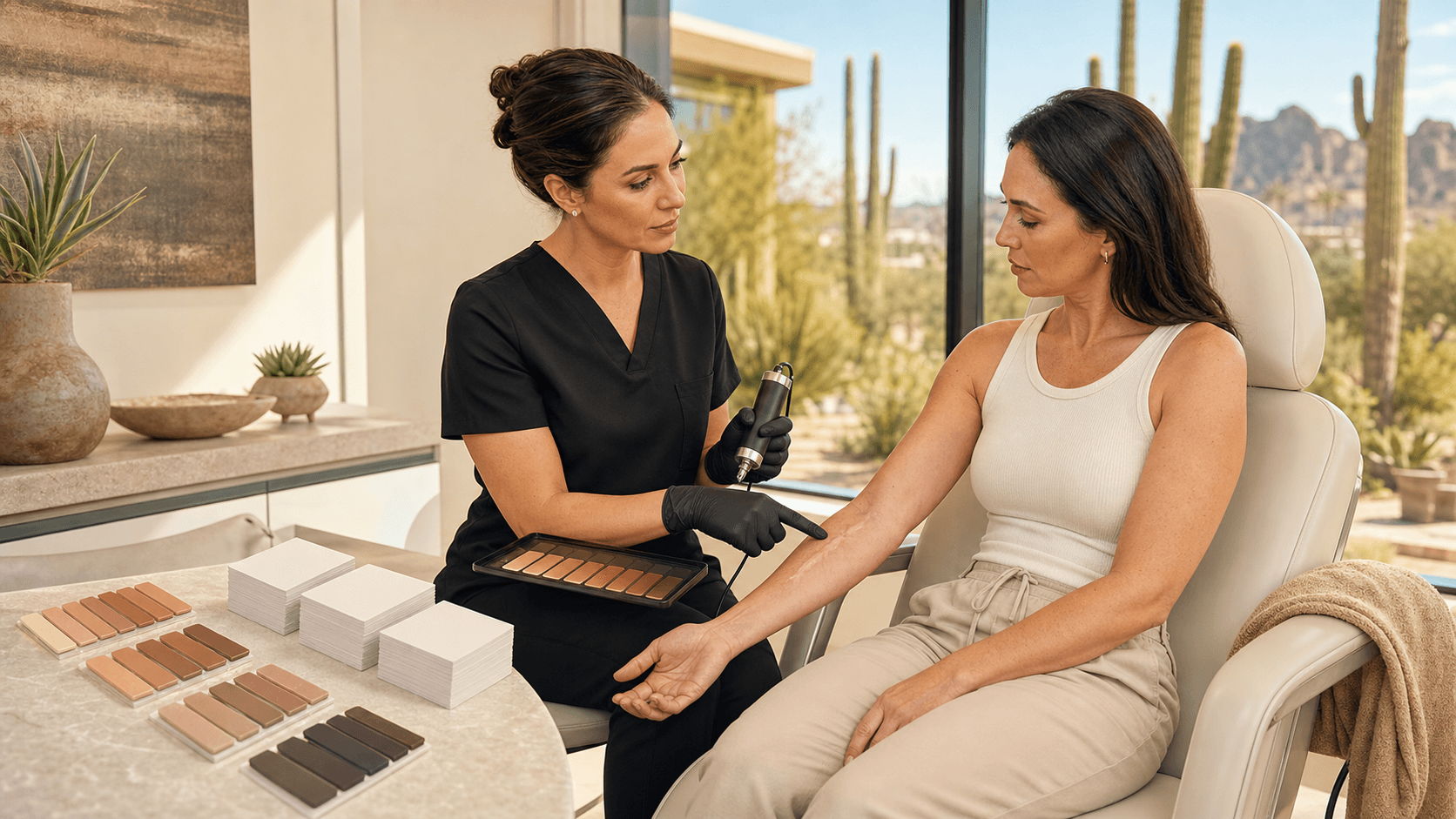
Once you are a good candidate, a typical treatment plan has several stages. We start with an in-depth consultation, including history, photos, and a close look at scar behavior. Then we often perform patch testing or small color swatches so we can see how your skin accepts pigment over time.
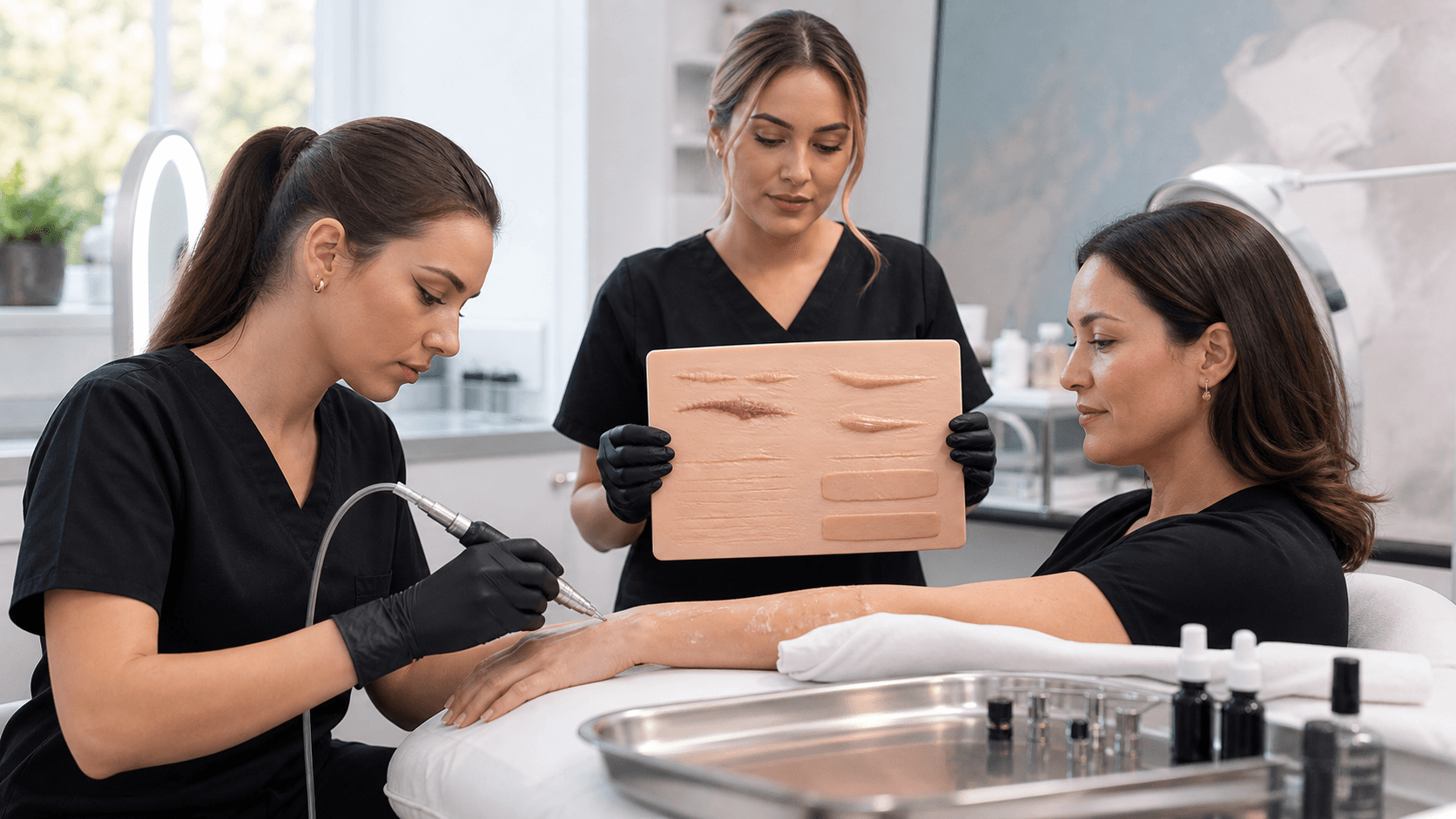
Most people need 2 to 4 main sessions, spaced out so each layer can settle. During this process, we:
- Adjust color blends as your skin heals
- Build coverage slowly for a more natural look
- Watch how different parts of the scar respond
Healing is usually straightforward. You might see some redness, mild swelling, or sensitivity right after each session. Surface healing happens in days, but deeper settling and final color can take several weeks. We will give guidance on when it is safe to:
- Return to normal workouts
- Go back into pools or open water
- Expose the area to sun again with protection
People often ask how we match color if their tone changes with tanning. We match to your most realistic, long-term skin tone, not a short-term vacation tan. If your tan fades, the scar should still look blended within a normal range.
Results are long-lasting, but skin is living tissue. Over time, you may want a touch-up, especially if your skin tone or texture changes. Our focus stays on softening contrast and helping you feel more at ease in your body, not on promising invisible scars.
Your Personalized Readiness Check and Next Steps
By the time you are thinking seriously about scar camouflage, you have likely already done a lot of work on your body and health. A simple checklist can help you decide if it is the right moment to move forward:
- Are your scars at least mostly mature, with color and shape staying steady?
- Has your weight been stable for several months?
- Is major loose skin already addressed, or are more surgeries still ahead?
- Can you commit to 2 to 4 sessions, plus aftercare and sun protection?
At TGS Lab in Scottsdale, we bring all of these pieces together during your consultation. We look at your surgical history, weight changes, tanning habits, and lifestyle, then design a realistic, science-based plan that fits your body and your calendar. Thoughtful planning around seasons, surgeries, and daily life helps make your scar camouflage tattoo in Scottsdale safer, more predictable, and better aligned with how you want to feel in your skin.
Restore Confidence With Expert Scar Camouflage Results
If you are ready to soften the appearance of scars and feel more at ease in your skin, our artists at TGS Lab are here to help. Explore how a customized scar camouflage tattoo in Scottsdale can blend your scar with the surrounding skin for a more natural look. We will walk you through every step, from a detailed consultation to a tailored treatment plan, so you know exactly what to expect. Schedule your appointment today to take the next step toward feeling comfortable and confident in your appearance.