Make Your Summer Pool Plans Work with Your Results
Stretch mark camouflage and summer pool season can work together; they just need a bit of planning. If you live in Scottsdale, you know late June means strong sun, long pool days, and a lot of time in swimsuits. When you are investing in stretch mark camouflage, you want those results to hold up through all of that water and sun.
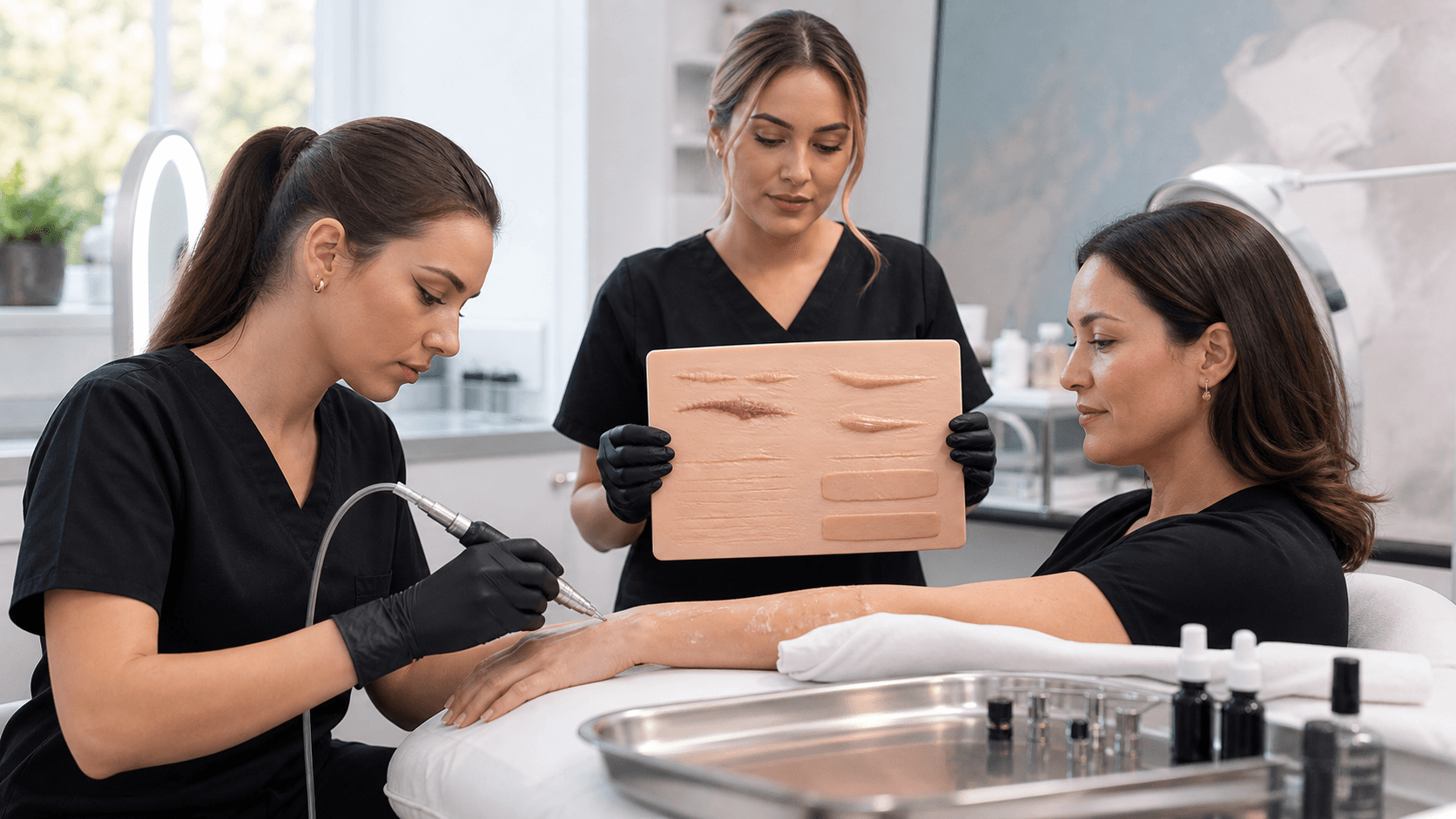
Stretch mark camouflage is a form of paramedical tattooing. We are working inside the upper layers of skin, and that skin has to repair, remodel, and stabilize before it can handle chlorine, saltwater, sunscreen chemicals, and constant friction from swimwear. How you treat the area between sessions is a big part of how your results look months later.
Think of "pool-proofing" your results as a mix of timing, habits, and realistic expectations. Most people need 2 to 4 sessions for natural-looking stretch mark camouflage in Scottsdale. Color and texture are built slowly, and every round of healing is affected by what you do outside the studio.
At our studio, we focus on skin science and tissue response, not quick cosmetic fixes. We are not a traditional tattoo shop or a med spa. Our work is paramedical correction, which means we constantly think about how your skin will behave in the real world, including long pool days and the Scottsdale sun.
How Chlorine and Saltwater Affect Healed Camouflage
Your skin does not heal in a single step. It moves through phases, and each phase has different rules when it comes to water.
In the first 7 to 14 days, the skin is in active wound repair. This is when the surface is most open and fragile. During this phase:
- No swimming or soaking at all
- No pools, hot tubs, baths, or oceans
- Keep the area clean and follow the specific aftercare you are given
From about week 2 to week 6, the top layer has closed, but the deeper layers are still remodeling. The area can look and feel better, but that does not mean it is ready for long, drying pool days. Longer term, color continues to stabilize over several months, even when the skin looks calm from the outside.
Chlorine can:
- Dry out the skin and weaken the barrier
- Make healing skin feel tight or itchy
- Speed up fading or create uneven color if the area gets too dry or irritated
Saltwater has its own impact. Salt pulls water out of the skin, which can:
- Leave the surface more dehydrated
- Make newer skin sting or feel more sensitive
- Increase flaking or roughness in a dry climate like Scottsdale
That does not mean you can never swim again. It means you need to respect timing:
- Right after treatment: avoid all swimming
- Once your provider says the skin is closed: very short, light swimming may be allowed, followed by rinsing and gentle drying
- Prolonged soaking, daily pool time, or long ocean days are best saved for later in the healing process
With smart aftercare, plenty of moisture, and realistic timeframes, you can enjoy the water and still protect your stretch mark camouflage. The goal is not to avoid fun; it is to protect the work you just invested in.
Sunscreen, Tanning, and Color Stability in Scottsdale Sun
UV exposure is one of the biggest long-term threats to color stability. Scottsdale has strong sun and many people are outside year-round, so sun care is a big part of maintaining your results.
Both artificial tanning and natural tanning change the color of your untreated skin faster than the treated areas. That includes:
- Spray tans and self-tanners
- Tanning beds
- Long hours of sun without protection
When the surrounding skin gets much darker, the stretch mark camouflage that was once well matched can start to stand out again. The pigment we place will not tan at the same rate as your natural skin, so extreme color shifts in your base skin tone make blending harder.
For healed camouflage areas, we usually suggest:
- A broad-spectrum SPF that protects from UVA and UVB
- A gentle, non-irritating texture that your skin tolerates well
- Mineral or chemical formulas chosen based on your sensitivity and history
Timing matters too:
- During the first healing phase, you avoid sunscreen directly on the treated area unless your provider clearly says otherwise
- Once the surface is fully healed, daily sunscreen becomes important, even when you are not swimming
- On pool days, reapply as recommended on the label, especially after swimming or towel drying
People often ask:
- Will I be able to tan after? You may still tan, but big, fast color changes in your skin can make the camouflage more visible.
- Will tanning ruin my results? It will not erase them right away, but it can shorten how long the color looks blended and even.
- How close can we get to my summer skin tone? We aim to match your typical, stable tone over 2 to 4 sessions, not a short-term vacation tan that fades quickly.
Slow, steady, and protected skin usually holds color more evenly over time.
Swimwear Friction, Pool Decks, and Everyday Irritation
Water and sun are only half the story. Friction is a big piece too, especially on areas like hips, thighs, breasts, and the abdomen where many people have stretch marks.
Swimwear and summer activities can create repeated rubbing from:
- Tight elastic bands and compression styles
- Stiff or rough seams against the treated area
- Textured fabrics that drag across the skin
- Sitting or lying on rough pool decks or lounge chairs
From a skin science angle, constant friction can cause micro-abrasions and low-level inflammation. On a healing paramedical tattoo, that can:
- Slow down healing
- Lead to patchy or uneven color hold
- Cause extra dryness or sensitivity
Helpful strategies include:
- Choosing softer fabrics or smoother linings when possible
- Avoiding new tight suits directly over fresh work
- Rinsing off quickly after a swim to get rid of chlorine, salt, and sand
- Pat-drying with a soft towel instead of rubbing
- Moisturizing regularly once your provider says the area is fully healed
Summer also brings other friction sources like snug athletic wear, sand, and long days on rough outdoor furniture. Reducing that mechanical stress, especially in the first few weeks after each session, usually pays off with smoother blending and better color hold.
Planning Your Treatment Around Scottsdale Pool Season
Good planning lets you keep both your pool time and your results. If you want to be comfortably "pool-active" by mid or late summer, it helps to think backward from your plans.
A typical path for stretch mark camouflage in Scottsdale includes:
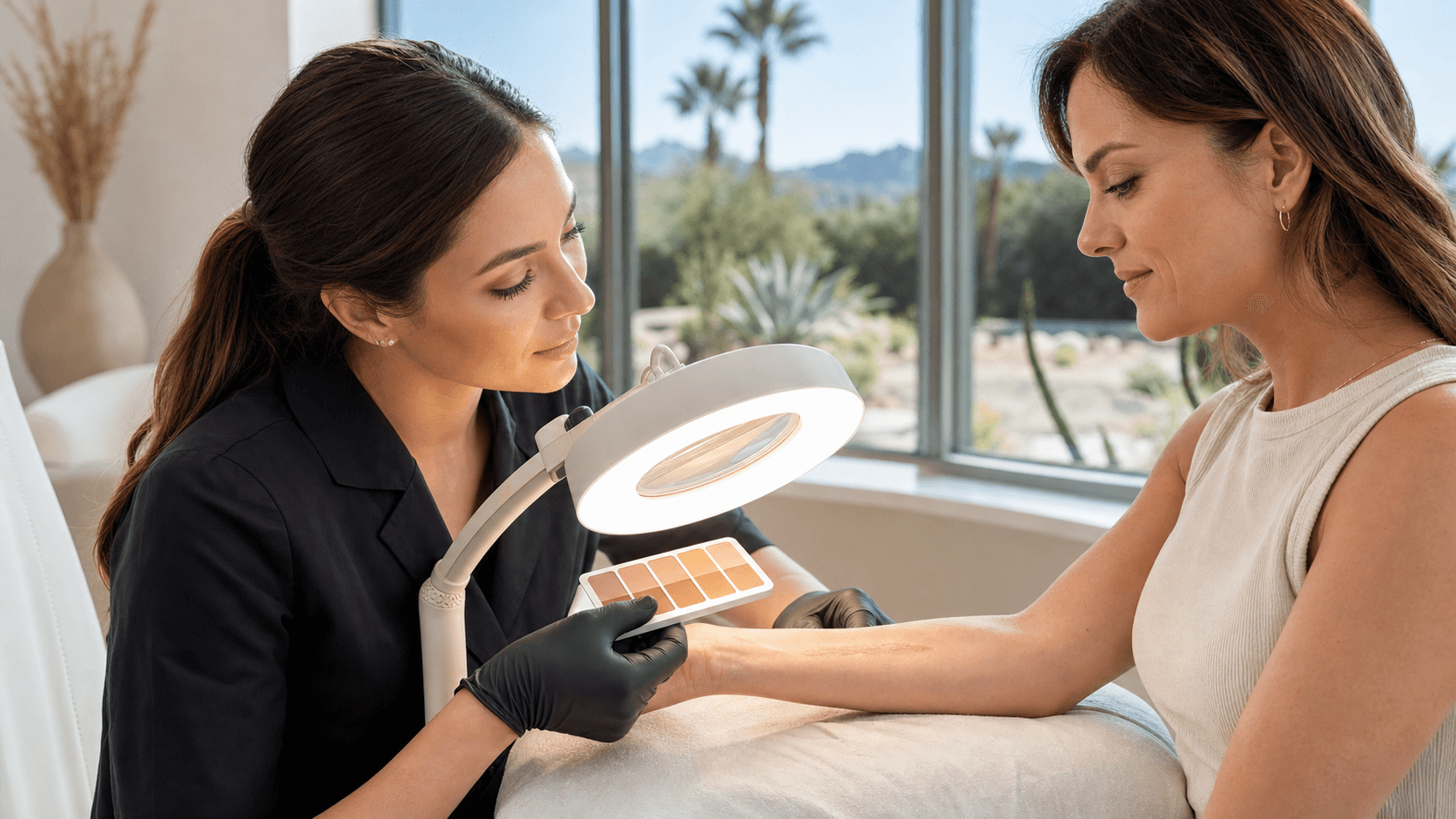
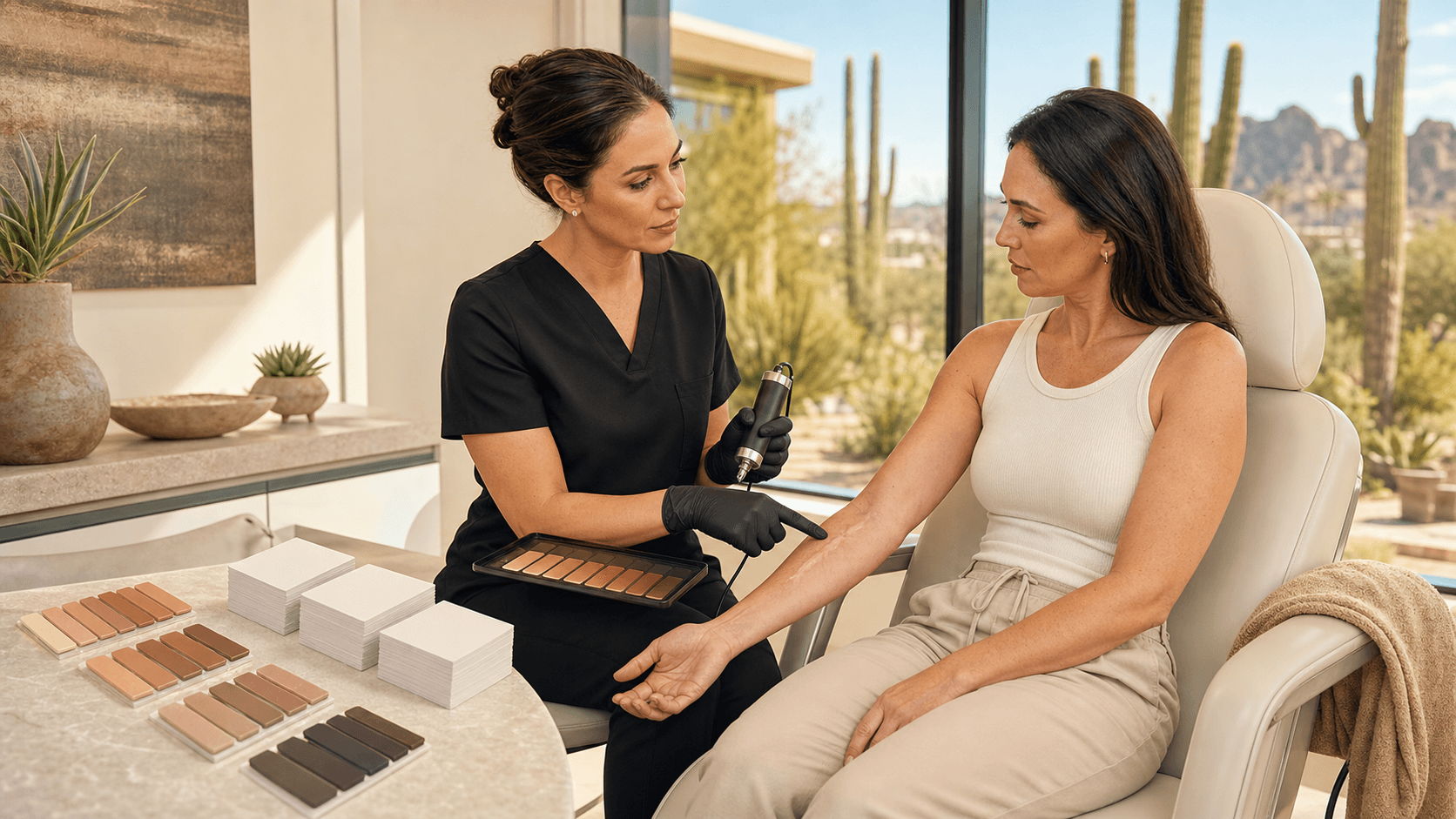
- An initial consultation to review your skin, history, and goals
- A first treatment session, then healing and observation
- 1 to 3 follow-up sessions spaced out so the skin can respond and stabilize
Trying to rush all of that into a short time right before a big vacation can lead to tight timelines, a lot of restrictions, and less steady outcomes. It is better to space sessions and give your skin time to show us how it responds.
Seasonal planning ideas:
- If you are a frequent swimmer, starting several months before your busiest pool period usually gives more flexibility
- If you are close to peak pool season, we can talk through what is realistic for your timing and how strict you will need to be with water and sun
- If you have a trip in a few weeks, we can discuss whether it makes sense to begin now or wait until you can fully respect the aftercare needs
Common questions include things like, "Will I need to avoid the pool all summer?" or "Can I start if I have a vacation in four weeks?" The real answer depends on area size, placement, your healing history, and how willing you are to protect the skin. That is why a personal plan is so helpful.
Book a Scottsdale Consultation to Protect Your Summer Plans
At TGS Lab in Scottsdale, we take a paramedical approach to stretch mark camouflage. We look at skin science, tissue response, and what is realistically possible for your pattern of stretch marks and your lifestyle, including how much you live in the water.
A consultation is where we review your skin, your pool and travel schedule, and your questions about tanning, sunscreen, swimwear, and friction. With that information, we can design a treatment roadmap that respects both your summer plans and the long-term quality of your results. With thoughtful timing, informed aftercare, and 2 to 4 well-planned sessions, you can enjoy pool season while still protecting the work you have chosen for your skin.
Reveal Smoother-Looking Skin With Expert Camouflage
If you are ready to feel more confident in your own skin, we invite you to explore how our stretch mark camouflage in Scottsdale can help. At TGS Lab, we carefully customize each treatment so your results blend naturally with your unique skin tone. We will walk you through every step of the process so you know exactly what to expect and what is realistic for your goals. Schedule your consultation today so we can create a plan tailored to you.